Kilimanjaro
How hard is it to climb Kilimanjaro? Altitude, training and summit night
Exotic Legacy Safaris and Tours · · 5 min read
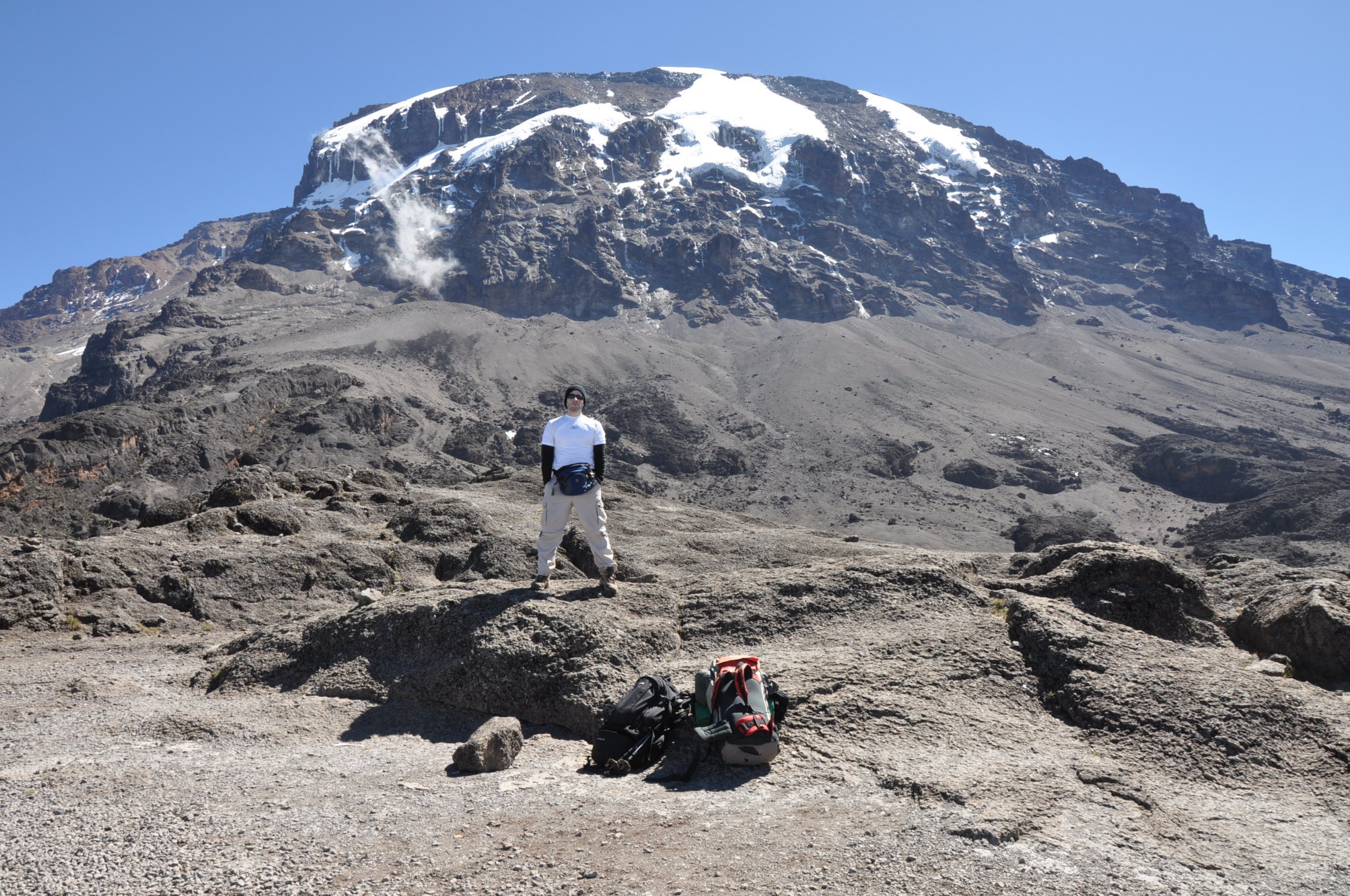
Kilimanjaro needs no climbing skills, but altitude turns many climbers back. What each day feels like, a 12-week training plan and how to improve your summit chances.
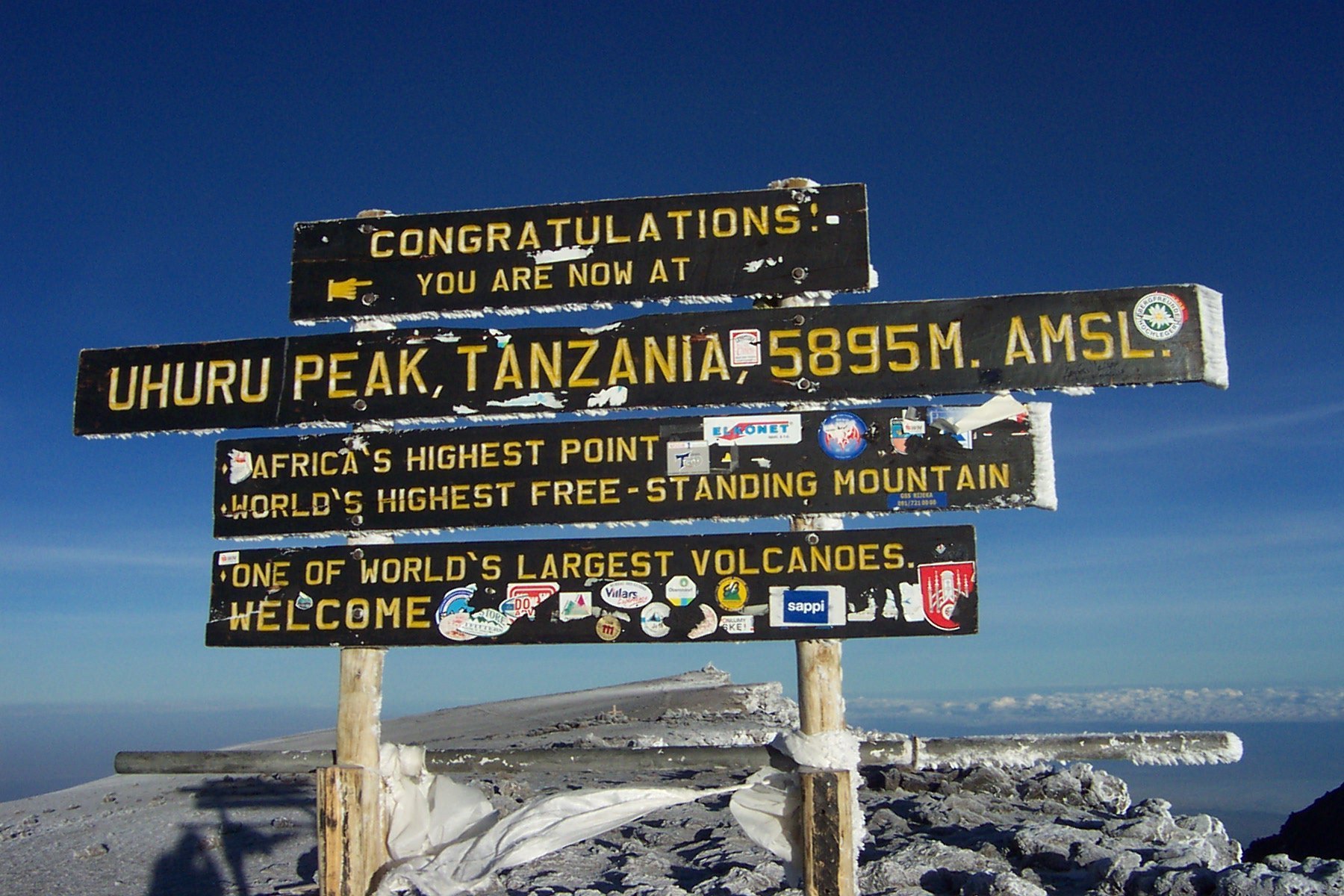
Kilimanjaro is a walk, not a climb. You need no ropes, no technical skill and no previous mountain experience. What makes it hard is altitude: Uhuru Peak stands at 5,895 m, where each breath holds roughly half the oxygen it does at sea level. Most people who fail to reach the summit are fit enough. They simply went up too fast.
This guide explains what the climb actually feels like day by day, how to train in the twelve weeks before, and the choices that most improve your chance of standing on the summit. Our guides lead private climbs on four routes, starting from Arusha, and this is the advice we give our own climbers.
How hard is it, really?
Think of it in three parts.
- The approach days are long, steady hikes of four to seven hours on good paths, through rainforest, heath and alpine desert. Most reasonably active people find them tiring but enjoyable.
- The acclimatisation days above 4,000 m are where you start to notice the altitude: a mild headache, poor sleep, less appetite and breathlessness on small slopes. This is normal.
- Summit night is the real test. You leave camp around midnight, climb for six to eight hours in the dark and cold to the crater rim, then descend to a lower camp. In total it is a 12 to 14-hour day at an altitude where everything feels slow. Temperatures near the summit can fall well below freezing, especially with wind.
People of very different ages and fitness levels reach the top every week. Patience matters more than speed.
Altitude: the reason people turn back
Acute mountain sickness (AMS) can affect anyone, whatever their age or fitness. Fit people are sometimes more at risk because they are tempted to walk fast. Symptoms are a headache with any of nausea, tiredness, dizziness or poor sleep. Mild symptoms are common and usually ease with rest, water and time. Severe symptoms, such as confusion, loss of balance or breathlessness at rest, mean you must go down.
How we reduce the risk on every climb:
- Pole pole. Swahili for "slowly, slowly", and the most-heard phrase on the mountain. Your guide sets a pace that feels too easy on the first days on purpose.
- Climb high, sleep low. The best routes reach a higher point during the day and sleep lower, which helps the body adapt. The walk up to Lava Tower and down to Barranco Camp on the Machame and Lemosho routes is the classic example.
- Health checks twice a day. Our guides measure your oxygen saturation and pulse every morning and evening and ask about symptoms.
- Emergency oxygen carried on every climb, and a clear rule: if it is not safe to continue, we go down.
Talk to your doctor before the trip, especially about altitude medication and any existing health conditions.
Choose more days, not a harder route
The single most important decision you make is the number of days. Every extra day gives your body more time to adapt to the altitude.
| Route | Days | Why choose it | From |
|---|---|---|---|
| Lemosho | 8 | Most time to acclimatise, quiet first days, beautiful Shira Plateau | US$2,070 |
| Machame | 7 | Spectacular scenery and good climb-high-sleep-low profile | US$1,790 |
| Rongai | 7 | Drier northern side, gentler gradient, fewer climbers | US$1,930 |
| Marangu | 6 | The only route with huts instead of tents | US$1,520 |
The five-day options that some operators sell are cheaper, but they give the body very little time to adjust, and far more climbers turn back on them. We do not run them. For a full comparison of the routes, read how to choose a Kilimanjaro route.
A 12-week training plan
You cannot train for altitude at home, but good fitness makes the long walking days easier and leaves you with more energy for summit night. Start three months before your climb.
Weeks 1 to 4: build the base
- Three sessions a week of 30 to 45 minutes of cardio: brisk walking, cycling, swimming or running.
- One longer walk at the weekend, building from two to three hours.
- Simple leg strength twice a week: squats, lunges and step-ups.
Weeks 5 to 8: add hills and weight
- Weekend hikes of three to five hours on hills, carrying a daypack of 5 to 7 kg, the weight you will carry on the mountain.
- Stairs or a steep treadmill once a week.
- Wear the boots you will climb in, so they are fully broken in.
Weeks 9 to 11: back-to-back days
- Hike on two consecutive days at least twice in this period, five to seven hours each. This is the best preparation for walking day after day.
- Practise a very early start once, so you know how your body feels walking at 1 a.m.
Week 12: rest
Reduce training, sleep well and arrive in Tanzania rested. A day or two in Arusha before the climb helps you recover from the flight.
What makes summit night easier
- Layers. Thermal base layers, a fleece, a down jacket and a waterproof shell. Warm gloves with liners and a hat. Cold hands and feet end more summit attempts than people expect.
- Keep your water liquid. Use an insulated bottle or keep it inside your jacket, as tubes freeze.
- Eat a little, often. Your appetite fades at altitude, so carry snacks you actually like.
- Use a head torch with fresh batteries, and keep spares warm in an inside pocket.
- Follow your guide's rhythm. Slow, steady steps, short breaks.
Our packing list includes the gear for both safari and mountain.
Who should not climb?
Most healthy adults can attempt Kilimanjaro. Ask your doctor first if you have heart or lung conditions, high blood pressure, diabetes or are pregnant. The Kilimanjaro National Park sets a minimum age for the summit (check the current rule when you book; we will confirm it for your group). Children who cannot summit can enjoy a day hike in the rainforest instead.
The crew behind your climb
A private climb for two people needs a team of guides, a cook and porters who carry the tents, food and water. We keep porter loads within the park's limit, pay fair wages, and give every crew member proper food, a sleeping tent and warm clothing. Read more about our responsible travel commitments.
Frequently asked questions
Do I need climbing experience for Kilimanjaro?
No. All the normal routes are trekking routes. The Barranco Wall on the Machame and Lemosho routes involves some scrambling with your hands, which most people enjoy.
What is the best time to climb?
The driest months are January to mid-March and June to October. April, May and November are wet but possible, and the Rongai route is a good choice then.
How fit do I need to be?
You should be able to walk six to eight hours on consecutive days with a light pack. Follow the training plan above and you will be ready.
Can I combine Kilimanjaro with a safari?
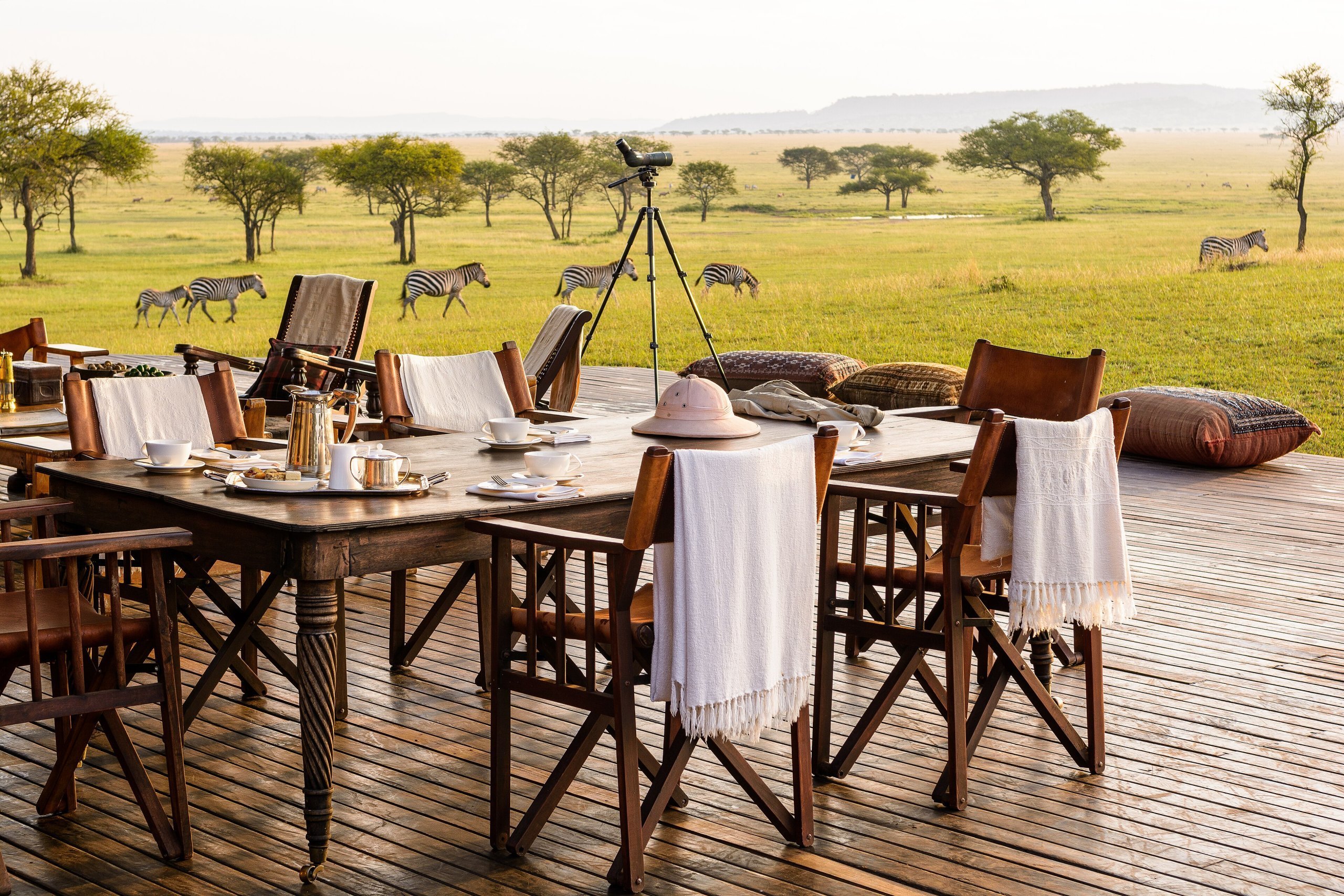
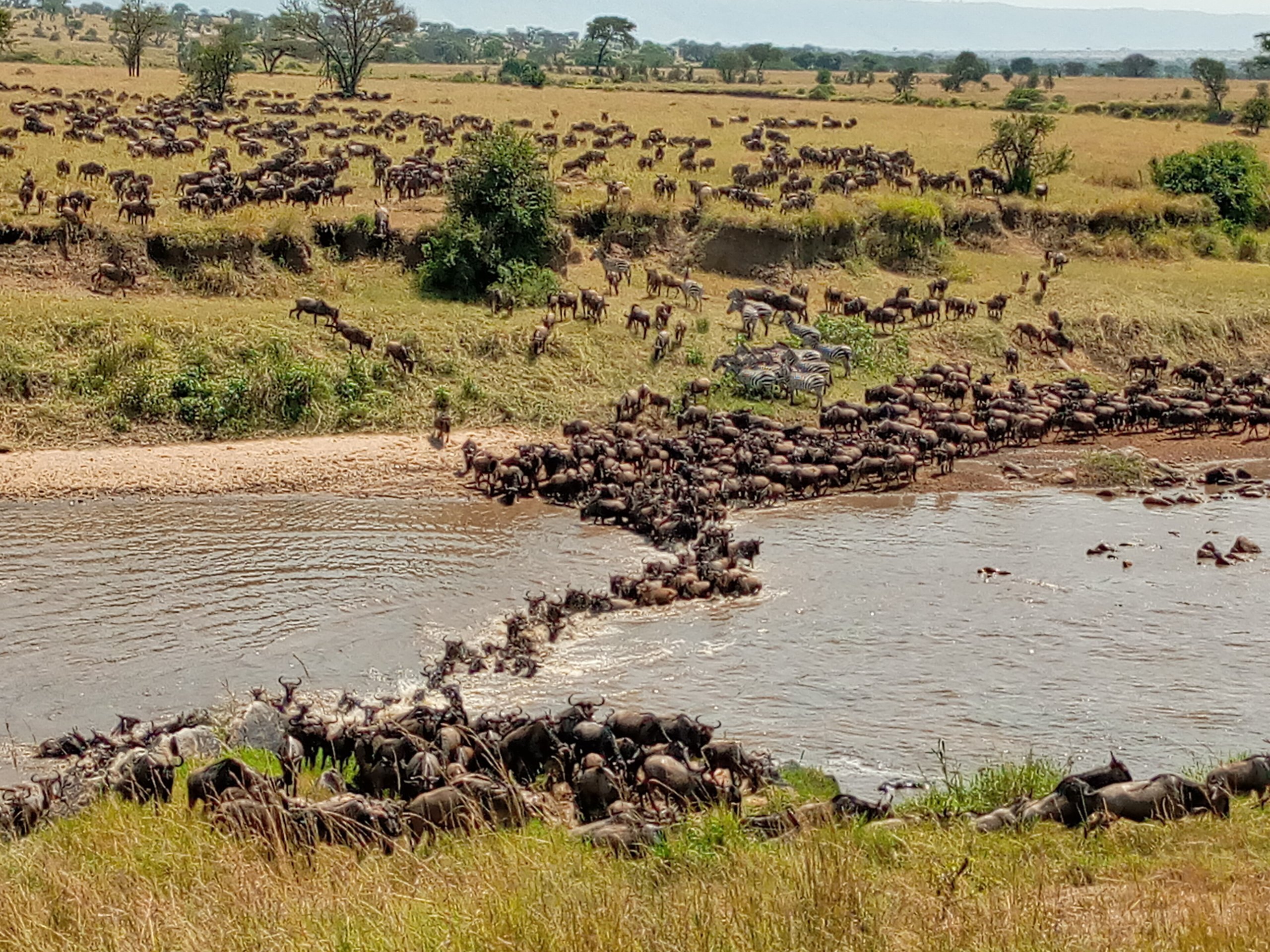
Yes, and it is the best way to recover. Many guests climb first, then spend four or five days on safari and finish on Zanzibar. Ask us to plan the combination.
Get the next article by email
Practical advice from our team in Arusha. One email a month at most.