Planning your trip
Tanzania or Kenya: which is better for a safari?
Exotic Legacy Safaris and Tours · · 5 min read
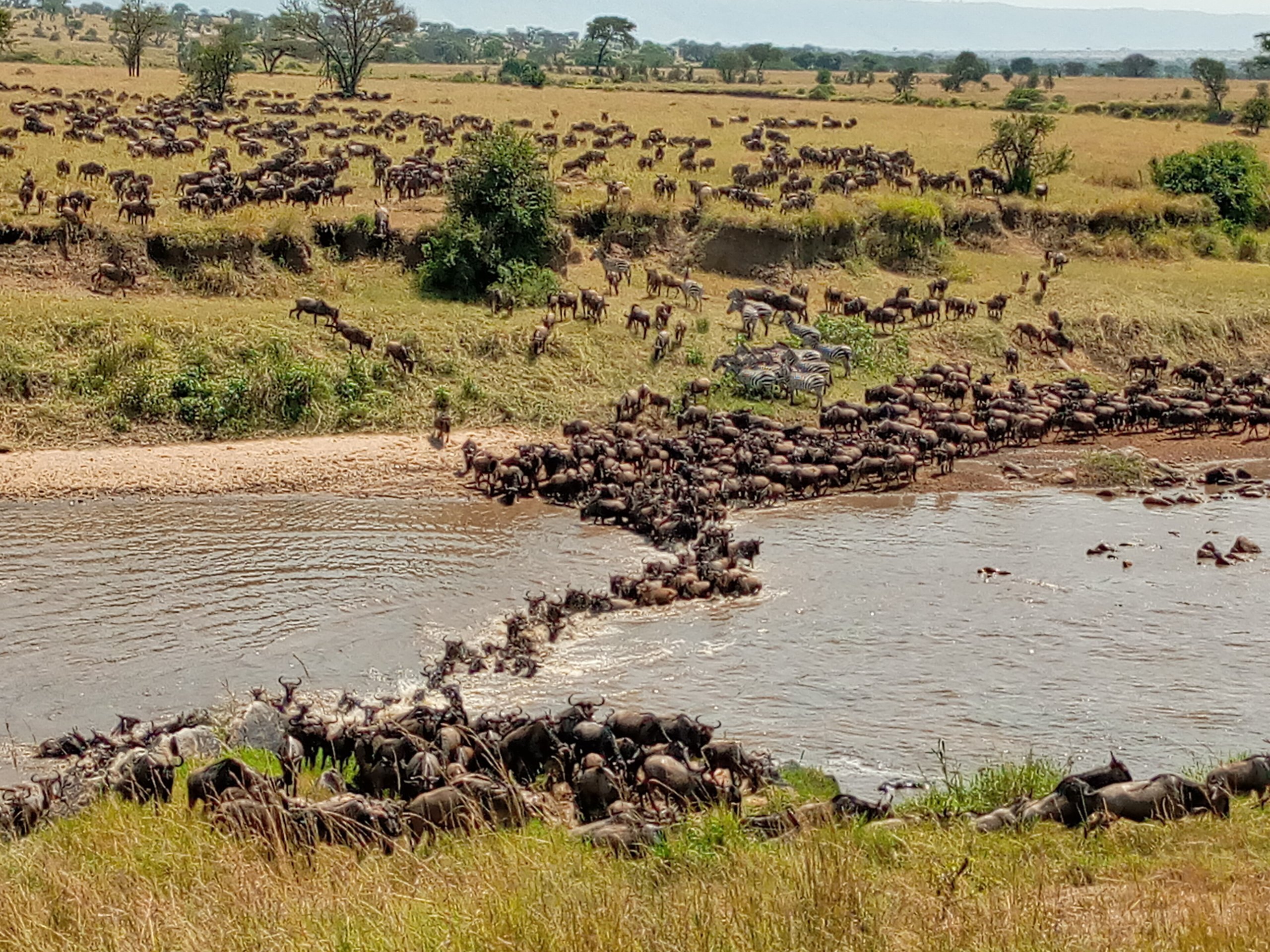
Same herds, same savannah, different trips. How Tanzania and Kenya compare on the Great Migration, crowds, cost and what else you can do, from a team in Arusha.
Tanzania and Kenya share the same wildebeest herds, the same savannah and the same border, so the choice between them is not about which country has more animals. It comes down to when you can travel, how long you have, and what else you want to do on the trip. Tanzania suits travellers with a week or more who want space, the Ngorongoro Crater and the option of Kilimanjaro or Zanzibar. Kenya suits shorter trips that start in Nairobi and focus on the Masai Mara.
We are a Tanzanian company based in Arusha, so we are not neutral. We have still tried to give you a fair comparison, including the situations where Kenya is the better choice.
The short answer
| If you… | Choose |
|---|---|
| Are travelling between December and March and want to see the calving season | Tanzania |
| Want river crossings between July and October and have only 3 or 4 days | Kenya (Masai Mara) |
| Want to climb Kilimanjaro or finish on an Indian Ocean beach | Tanzania |
| Want to see the Ngorongoro Crater | Tanzania (it is only in Tanzania) |
| Prefer fewer vehicles at sightings and larger wild areas | Tanzania, especially outside July to September |
| Are combining a safari with a business trip to Nairobi | Kenya |
The Great Migration: one herd, two countries
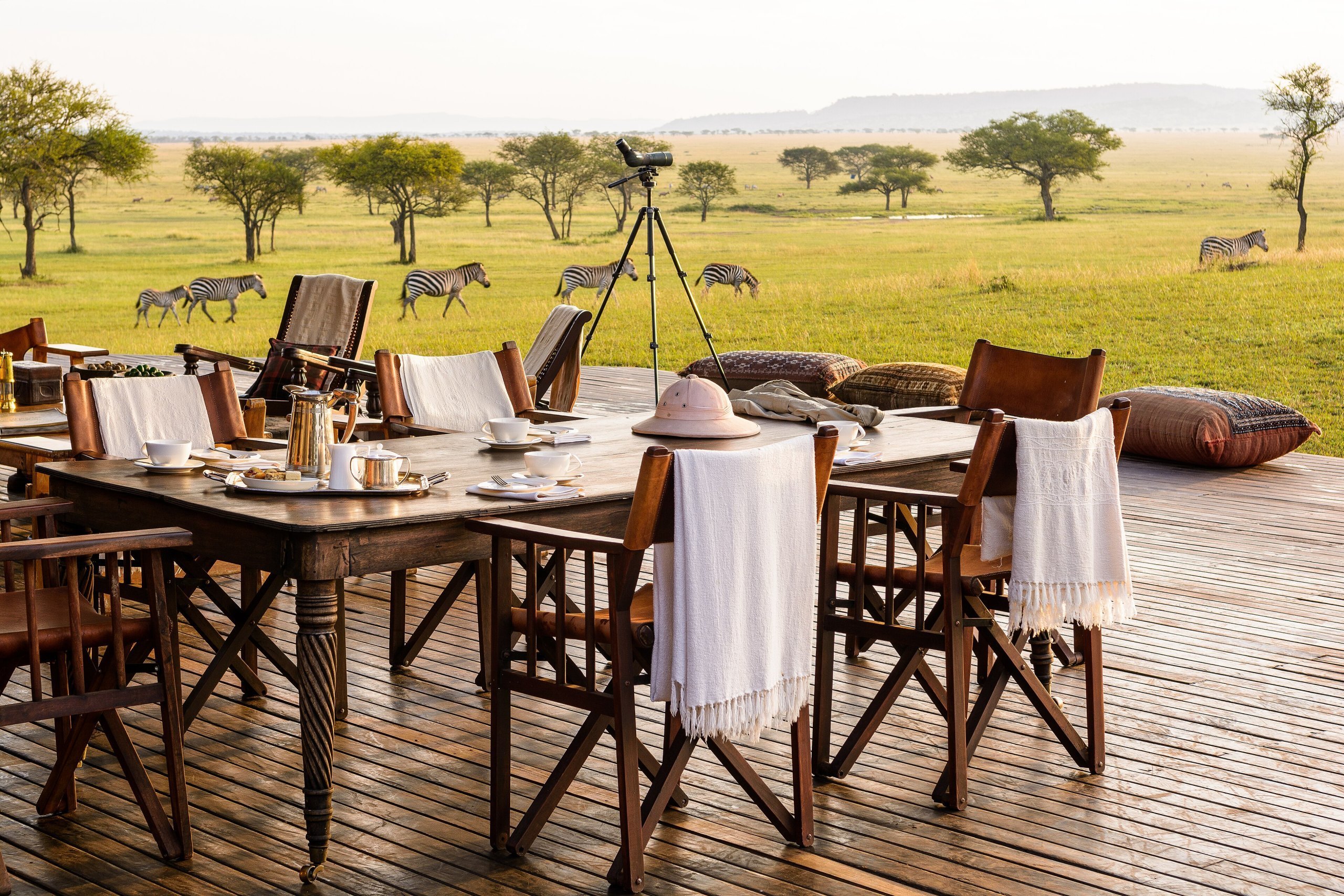
About one and a half million wildebeest, with hundreds of thousands of zebra and gazelle, move in a loop between Tanzania's Serengeti and Kenya's Masai Mara. The Serengeti is far larger than the Mara, and the herds spend most of the year on the Tanzanian side.
- December to March: the herds graze the short-grass plains of the southern Serengeti and Ndutu, and most calves are born in February. Lions, cheetahs and hyenas follow. This happens only in Tanzania. See our 6-day calving safari.
- April and May: the herds move through the central and western Serengeti during the long rains.
- June and July: the Grumeti River crossings in the western Serengeti.
- July to October: the herds reach the Mara River. They cross back and forth on both sides of the border, in the northern Serengeti (Kogatende) and in the Masai Mara.
- November: the herds walk south again through the Serengeti.
Put simply, Kenya sees the migration for about three to four months a year and Tanzania for all twelve. Our migration calendar has the details month by month.
Crowds and space
The Masai Mara reserve is small compared with the Serengeti, and during the crossing season many vehicles gather at the same river points. The northern Serengeti sees the same crossings with fewer vehicles, though it is further to reach. Kenya's private conservancies next to the Mara limit vehicle numbers and are excellent, but they come at a higher price.
Outside the busiest weeks, both countries can feel empty. In the Serengeti it is common to drive for an hour without passing another car.
What each country has that the other does not
Only in Tanzania
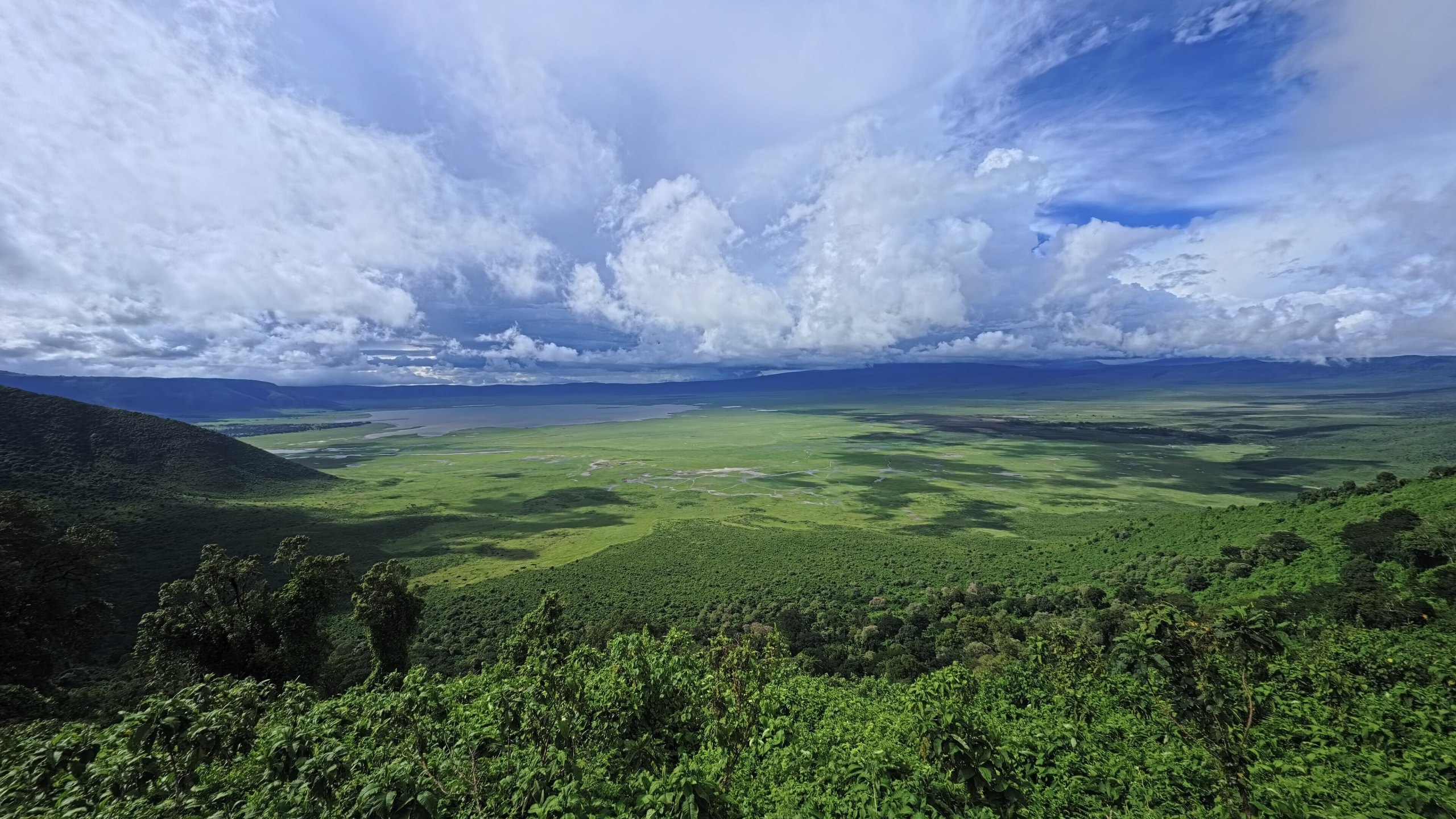
- The Ngorongoro Crater, a collapsed volcano with a permanent population of wildlife on its floor, including black rhino. You can see a great deal in a single day.
- Tarangire in the dry season, with some of the largest elephant herds in northern Tanzania among baobab trees.
- Mount Kilimanjaro, Africa's highest mountain at 5,895 m, climbed from the Tanzanian side.
- Zanzibar, a short flight from Arusha, for beaches and Stone Town after the safari.
Where Kenya is stronger
- Short trips. The Masai Mara is a short flight from Nairobi, and Nairobi has more international flights than Kilimanjaro airport.
- Northern Kenya (Samburu and Laikipia) has species you will not find in northern Tanzania, such as the reticulated giraffe and Grevy's zebra.
- Conservancies that allow night drives and walking close to the reserve.
Cost compared
Prices in the two countries are closer than many people expect. Park fees in the Serengeti and Ngorongoro are high, and Masai Mara fees have also risen in recent years. A short Mara trip from Nairobi can cost less in total because it is shorter. Over a full week, a private mid-range safari costs a similar amount in both countries.
In Tanzania, our 7-day Classic Northern Circuit starts at US$2,330 per person and our 4-day Serengeti and Ngorongoro safari at US$1,350, both with park fees included. Our safari cost guide explains what drives the price.
Getting there and getting around
For a Tanzania safari you fly into Kilimanjaro International Airport (JRO), about an hour from Arusha, where every northern circuit safari starts. Some travellers fly to Nairobi and take a shuttle bus or short flight to Arusha. Driving times are longer in Tanzania: Arusha to Tarangire takes about two and a half hours, and Arusha to the central Serengeti most of a day, with a stop at the Ngorongoro rim on the way. Light-aircraft flights shorten the return.
In Kenya, safaris start in Nairobi. The road to the Mara takes five to six hours, and many visitors fly in.
Can I do both?
Yes. A common route is a few days in the Masai Mara followed by the Serengeti and the Ngorongoro Crater, crossing by land at the Isebania/Sirari or Namanga border, or flying between Nairobi and Kilimanjaro. You need a visa for each country (check the official eVisa portals before you go), and you change vehicle and guide at the border. For most travellers with ten days or fewer, we suggest choosing one country and seeing it properly.
Our honest recommendation
For a first safari of a week or more, northern Tanzania gives you more variety in less distance: Tarangire's elephants, the Ngorongoro Crater, the Serengeti plains and the option of Kilimanjaro or a beach finish. If you have three or four days in August and want to watch the herds cross the Mara River, Kenya is the quicker route. If you would like to see how either plan fits your dates, ask our planners. We will tell you if your dates suit Kenya better.
Frequently asked questions
Is Tanzania or Kenya better for the Great Migration?
Tanzania has the herds for most of the year, including the calving season from December to March. Kenya's Masai Mara is excellent from about July to October.
Which is safer for a safari, Tanzania or Kenya?
Both countries welcome large numbers of safari travellers every year. On a private safari you are with your guide the whole time. Check your government's travel advice before you book, as you would for any trip.
Is the Serengeti the same as the Masai Mara?
They are one connected ecosystem split by the border. The Serengeti is the much larger Tanzanian part, and the Masai Mara is the Kenyan part.
How many days do I need in Tanzania?
Five to seven days for the northern circuit with the Serengeti. Add six to eight days for Kilimanjaro and three or four for Zanzibar. Our itinerary guide has sample routes.
Get the next article by email
Practical advice from our team in Arusha. One email a month at most.