Planning your trip
Tanzania family safari: a practical guide for parents
Exotic Legacy Safaris and Tours · · 5 min read
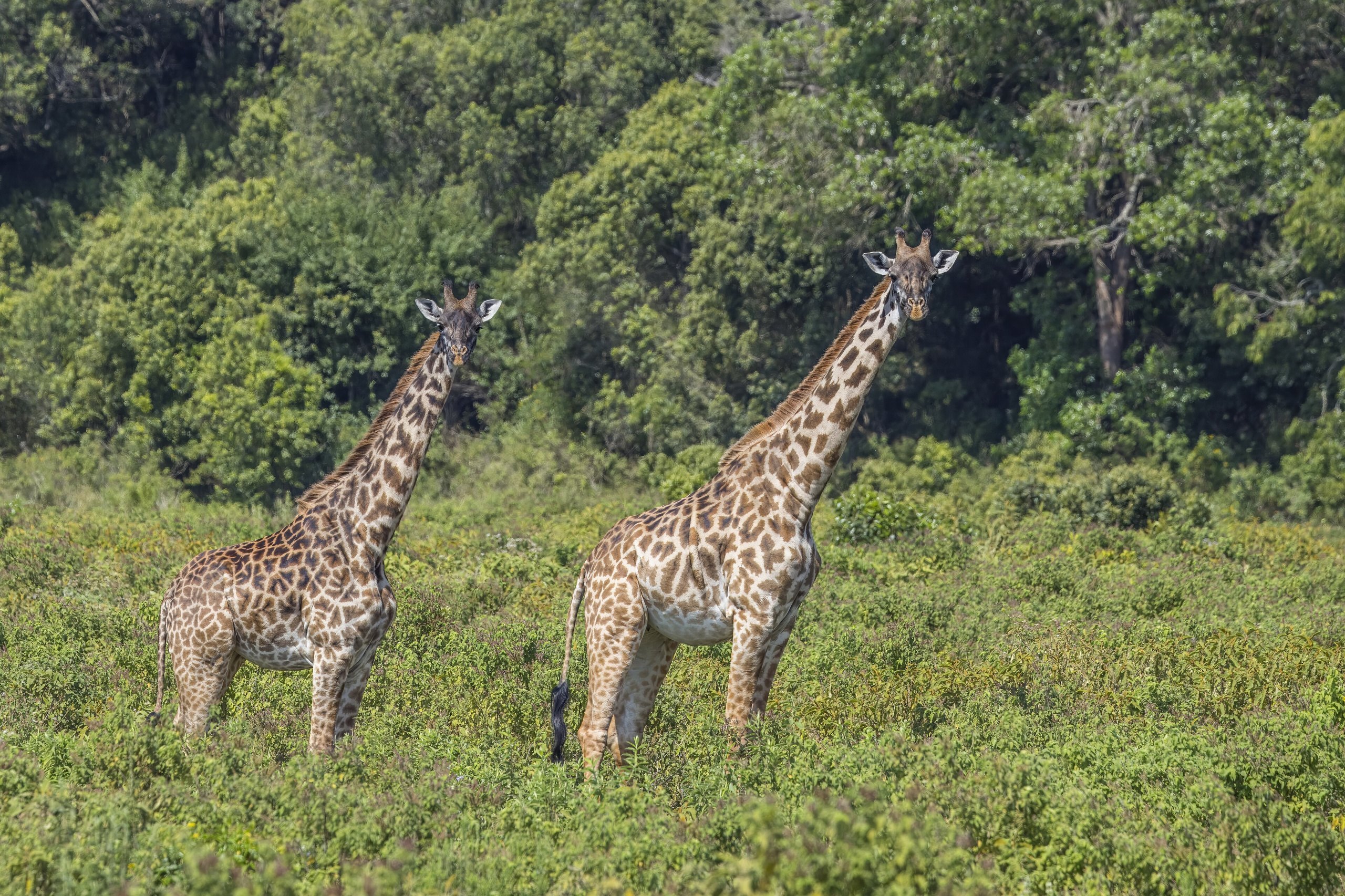
The best age for a safari, a family itinerary with short drives and a beach finish, how to choose lodges, health advice and ways to keep children interested.
A family safari in Tanzania works best when it is private, shorter on driving than you think, and built around the children's rhythm: early starts, a long break in the middle of the day, and a pool or a beach at the end. Children as young as four or five can enjoy it, and ages seven to fifteen are the sweet spot, when they are old enough to spot animals themselves and young enough to be amazed by every elephant.
This is the advice we give parents who plan with us in Arusha, from choosing the right age and season to which lodges accept young children and how to handle health questions.
What is the best age for a safari?
- Under 4: possible, but long drives and early mornings are hard, and some lodges and camps do not accept very young children. A short safari close to Arusha (Tarangire and the Ngorongoro Crater) works best.
- 4 to 6: keep game drives to three or four hours and choose lodges with space to run around.
- 7 to 12: the ideal age. Children this age love checklists, binoculars and their guide's stories.
- Teenagers: they can handle full-day drives, a Kilimanjaro day hike or a walking safari (walks usually have a minimum age, often 12 or older).
Why a private safari matters with children
On a shared safari, the group decides when to stop and when to move on. With your own vehicle and guide, you decide. You can stop for a toilet break or a snack without apologising, head back to the lodge when someone is tired, and stay an hour with the lion cubs your daughter does not want to leave. Every safari we run is private, and our guides adapt the day to the family.
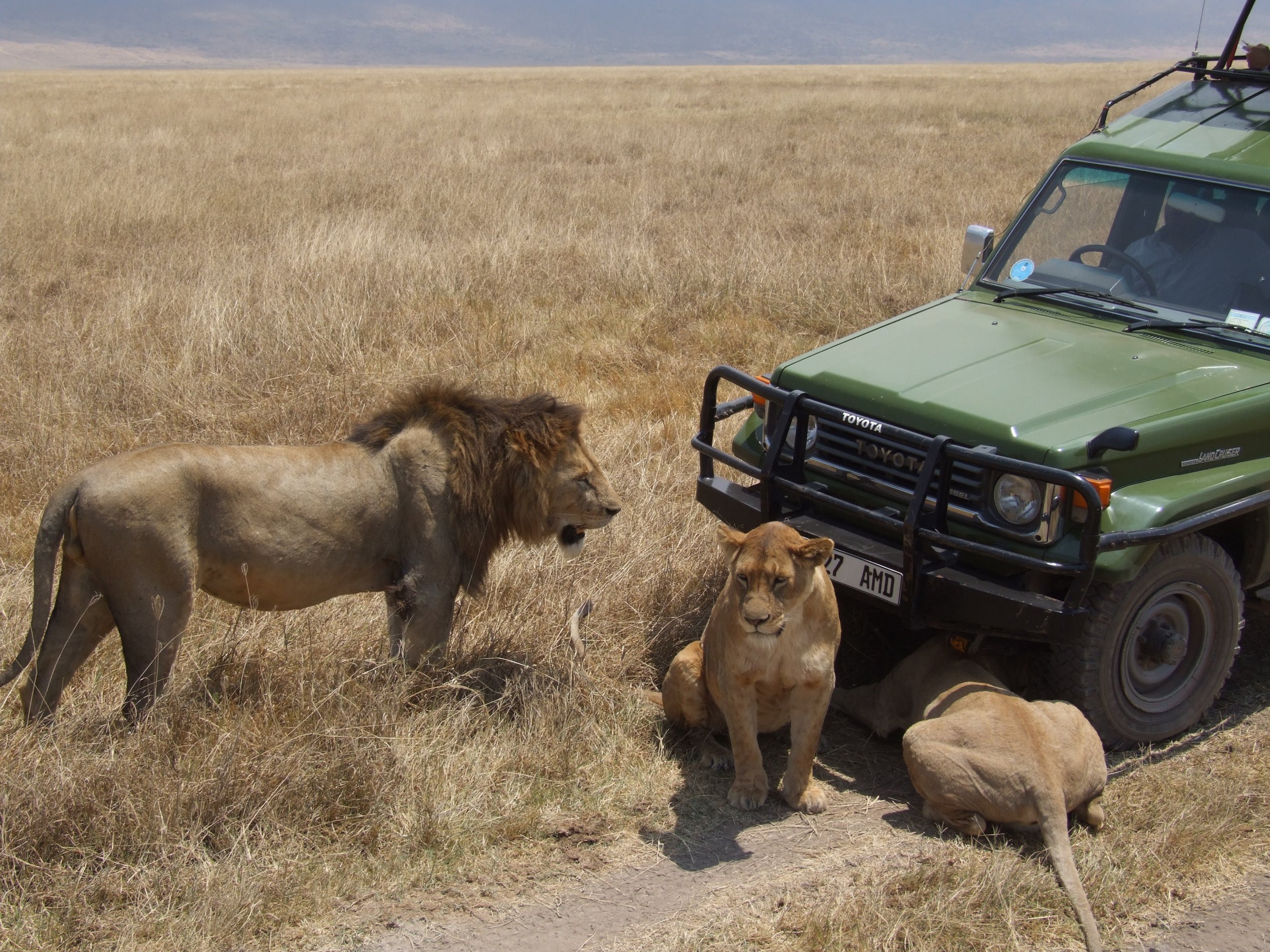
The vehicle is a 4x4 Land Cruiser with a pop-up roof, so children can stand and look out, and everyone has a window seat. Ask for child seats when you book if your children need them.
A family itinerary that works
Driving time is the biggest challenge with children. This route keeps every day short and finishes at the beach.
- Day 1, arrive in Arusha. A lodge with a garden and a pool.
- Day 2, Tarangire. About two and a half hours from Arusha. Elephants, giraffes and baobab trees that look like they belong in a storybook.
- Day 3, Lake Manyara. A short drive, monkeys in the forest and flamingos on the lake in many months. Afternoon at the pool.
- Day 4, the Ngorongoro Crater. The best single day for children: a great deal of wildlife in a small area, and a picnic by the hippo pool.
- Days 5 and 6, the Serengeti if your children are seven or older. For younger children, add a cultural visit or a coffee farm near Karatu instead.
- Days 7 to 10, Zanzibar. A short flight, then calm water on the north or east coast, a spice farm and the red colobus monkeys of Jozani Forest.
Our 10-day safari and Zanzibar holiday follows this shape and is easy to adapt. For a shorter trip, the 3-day Tarangire, Ngorongoro and Lake Manyara safari stays close to Arusha.
Choosing lodges for families
- Family rooms or connecting tents. Many mid-range lodges have them; we ask for them on your behalf.
- Fences and pools. Some camps are unfenced and animals walk through at night, which is magical but means children must always be accompanied. Lodges with a fenced garden and pool give parents a break.
- Minimum ages. Some luxury and remote camps do not accept younger children. We check this for every lodge on your route.
- Meals. Lodges are used to children and usually serve simpler options. Tell us about allergies when you book.
When to go with children
School holidays often decide the dates. The good news is that every month has something:
- July and August (northern hemisphere summer): dry, excellent game viewing, the busiest time. Book early.
- December to February: warm, green and the calving season in the southern Serengeti, with baby animals everywhere.
- Easter: often during the long rains, with lower prices and afternoon showers.
- October half-term: dry and quieter than August.
See our month-by-month guide for more detail.
Health and safety
- Malaria is present in the safari areas and on Zanzibar. Ask your doctor or travel clinic about prevention for each child six to eight weeks before you travel. Long sleeves at dusk, repellent and mosquito nets help.
- Vaccinations: a yellow fever certificate is required if you arrive from, or transit for more than 12 hours through, a country with yellow fever risk. Your clinic will advise on others.
- Sun: the equatorial sun is strong even when it feels cool. Hats, sunscreen and water in the vehicle.
- Safety rules: stay in the vehicle unless your guide says otherwise, and keep arms inside near animals. Children follow guides' rules surprisingly well.
- Travel insurance with medical evacuation cover for everyone.
Keeping children interested
- Give each child binoculars and their own camera or phone for photos.
- Make a Big Five and "Little Five" checklist. The little five (elephant shrew, ant lion, rhino beetle, buffalo weaver and leopard tortoise) turn quiet moments into a game.
- Let them sit next to the guide. Our guides love answering questions and teaching a few words of Swahili: jambo (hello), simba (lion), tembo (elephant), twiga (giraffe).
- Plan breaks. A midday rest at the lodge, then out again for the late afternoon when the animals are active.
- Pack snacks and something for the drive: audiobooks, a card game, a sketchbook.
What does a family safari cost?
Children usually pay less than adults for park fees and at many lodges, and a family of four shares one vehicle and guide, so the price per person is lower than for a couple. Child discounts vary by lodge and by age, so we price your family's exact trip. Our safari cost guide explains the main costs.
Frequently asked questions
Is a safari safe for children?
Yes, with sensible rules. Children stay in the vehicle during game drives and are accompanied at unfenced camps. A private guide keeps an eye on everyone.
Can a baby go on safari?
Some lodges accept babies and many do not. A short trip close to Arusha with family-friendly lodges is possible. Ask us and we will check each lodge.
Can children climb Kilimanjaro?
The national park sets a minimum age for the summit. Younger children can enjoy a day hike through the rainforest on the lower slopes, or the waterfalls on our Materuni waterfalls and coffee tour.
How long should a family safari be?
Four to six days on safari plus a few days at the beach is the right length for most families. Tell us the ages of your children and we will plan the pace around them.
Get the next article by email
Practical advice from our team in Arusha. One email a month at most.